

Carbohydrates are the primary source of energy production in body tissues. When the body is deprived of carbohydrates due to reducing intake to less than 50g per day, insulin secretion is significantly reduced and the body enters a catabolic state,Glycogen stores deplete, forcing the body to go through certain metabolic changes. Two metabolic processes come into action when there is low carbohydrate availability in body tissues gluconeogenesis and ketogenesis.
Ketone bodies replace glucose as a primary source of energy. During ketogenesis due to blood glucose feedback.
Fatty acids are metabolized to acetoacetate which is later converted and acetone to beta-hydroxybutyrate.
Low carb and keto diet guide:
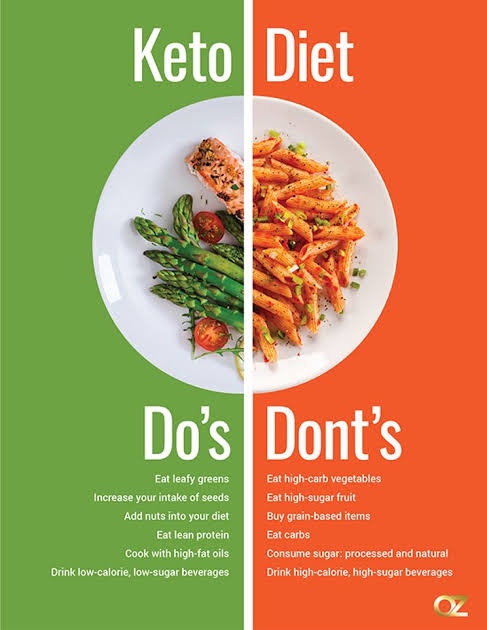
A ketogenic diet primarily consists of high-fats, moderate-proteins, and very-low-carbohydrates. The dietary macronutrients are divided
into approximately 55% to 60% fat, 30% to
35% protein and 5% to 10% carbohydrates. amount up to 20 to 50 g per day.
The 20th century could have contributed to the increasing prevalence of obesity, a major risk
factor for type 2 diabetes. The ketogenic diet has a
long track record-not only in clinical medicine but also through human evolution-providing evidence for optimism in the search for more effective dietary prevention and treatment of
chronic diseases.
Indications:
Experts on the ketogenic diet recommend it be strongly considered for children with uncontrolled epilepsy who have tried and
failed two or three anticonvulsant drugs;
- Autism.
- Migraine.
- Polycystic Ovary Syndrome.
- Diabetes mellitus type 2.
- Amyotrophic lateral sclerosis
- Alzheimer’s disease.
- Parkinson’s disease
High fat,low carbohydrate diet may improve brain function and memory in older adults.
Benefits of ketogenic diet:
Besides a positive effect on weight loss, studies have shown that low-carbohydrate ketogenic diets also reduce serum triglycerides and decrease in total cholesterol and increase in high-density lipoprotein cholesterol have also been reported.
Potential risk of ketogenic diet:
- The keto diet is associated with potential increase in “bad”LDL cholesterol ,which is also linked to heart disease.
- Liver problems
- Kidney problems
- Constipation
- Mood swings
- Low grade acidosis
- Hypoglycemia
- Dyslipidemia
- Dehydration.
- Electrolyte imbalance.
Conclusion:
Ketogenic diet has medical benefits for treatment of epilepsy in children and it may be used in management of obesity in short term under medical supervision because it has many complications in long term.
 Healthy life