It’s currently very popular in the health and fitness community.
Methods:
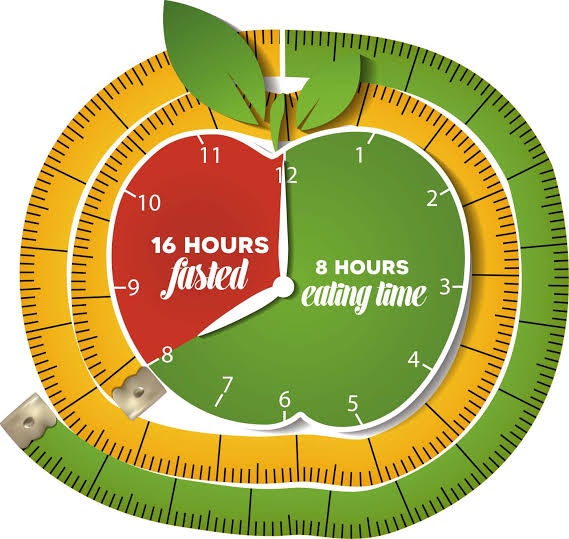
The 16/8 method: Also called the Leangains protocol, it involves skipping breakfast and restricting your daily eating period to 8 hours. Then you fast for 16 hours in between.
Eat-Stop-Eat:
This involves fasting for 24 hours,once or twice a week,for example: not eating from dinner one day until dinner next day.
The 5:2 diet: With this methods, you consume only 500–600 calories on two non- consecutive days of the week, but eat
normally the other 5 days.
How it affects your cells hormones:
When you fast, human growth hormone levels go up and insulin levels go down. Your body’s cells also change the expression of genes and initiate important cellular repair processes.
Weight lose:
Weight loss is the most common reason for people to try intermittent fasting .
•By making you eat fewer meals, intermittent fasting can lead to an automatic reduction in calorie intake.
2.Additionally, intermittent fasting changes hormone levels to facilitate weight loss.
3.In addition to lowering insulin and increasing growth hormone levels, it increases the release of the fat burning hormone norepinephrine (noradrenaline).
•Weight loss: As mentioned above, intermittent fasting can help you lose weight and belly fat, without having to consciously restrict calories
Insulin resistance: Intermittent fasting can reduce insulin resistance, lowering blood sugar by 3–6% and fasting insulin levels by 20–31%, which should protect against type 2 diabetes .
• Inflammation: Some studies show reductions in markers of inflammation, a key driver of many chronic diseases
• Heart health: Intermittent fasting may reduce “bad” LDL cholesterol, blood triglycerides, inflammatory markers, blood sugar and insulin resistance.
Suggested that intermittent fasting may prevent cancer
•Brain health: Intermittent fasting increases the brain hormones and may aid the growth of new nerve cells. It may also protect against Alzheimer’s disease.
If you have a medical condition, you should
This is particularly important if you:
Have diabetes.
Have problems with blood sugar regulation. Have low blood pressure.
Take medications.
Are a woman who is trying to conceive.
Are a woman with a history of amenorrhea. Are pregnant or breastfeeding.

